
Category: Resources
-
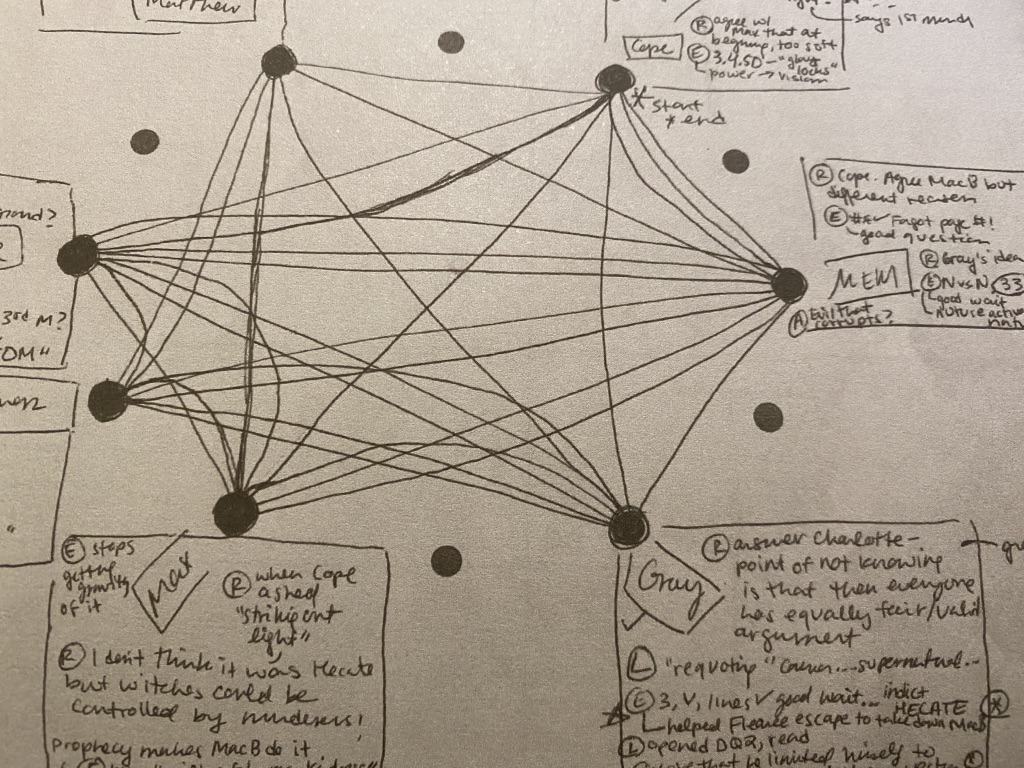
Best Investments for the Future of Online Learning
Read More: Best Investments for the Future of Online LearningExperienced online teachers show a preference for, and a desire for more, student-centered practices. Their voices can remind innovators where to focus.
-
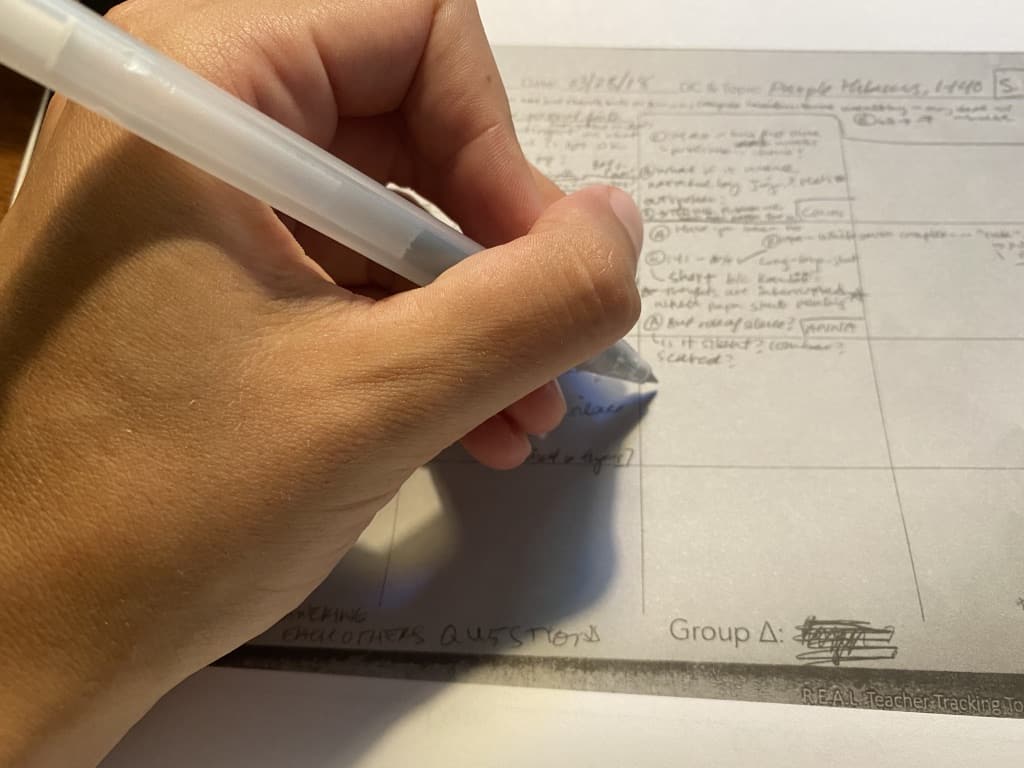
Finding the Words
Read More: Finding the WordsA style guide that should be ubiquitous in schools, new research in Black girls’ experiences in PWIs, and a call to courage from Rachel Carson’s “Silent Spring.”
-
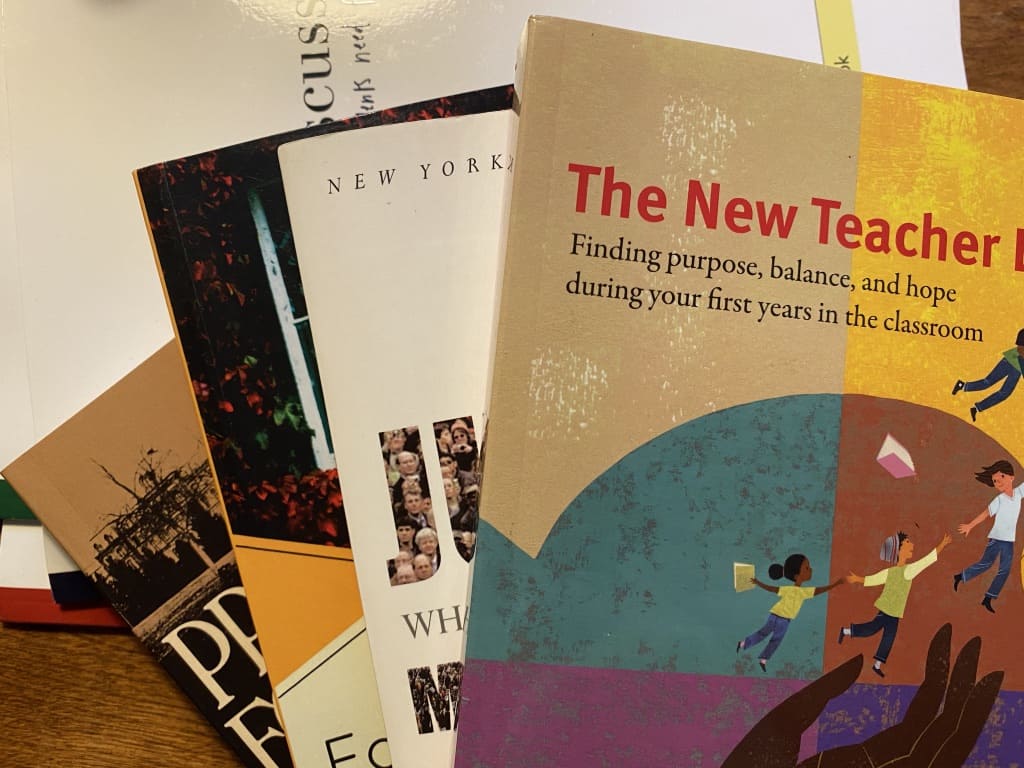
Courage in Complexity
Read More: Courage in ComplexityThree voices embrace the complexities of life and learning at this moment — and encourage us to push through them.
-
Can Introverts Learn through Active Learning?
Read More: Can Introverts Learn through Active Learning?Active learning, at least at first, benefits extroverts more than introverts. What can we do about it?
-
Use Some Logic Today
Read More: Use Some Logic TodayArguing that the commonly upheld binary between logic and emotion is false, Eugenia Cheng suggests that we would all communicate clearly if we actively integrated both.
-
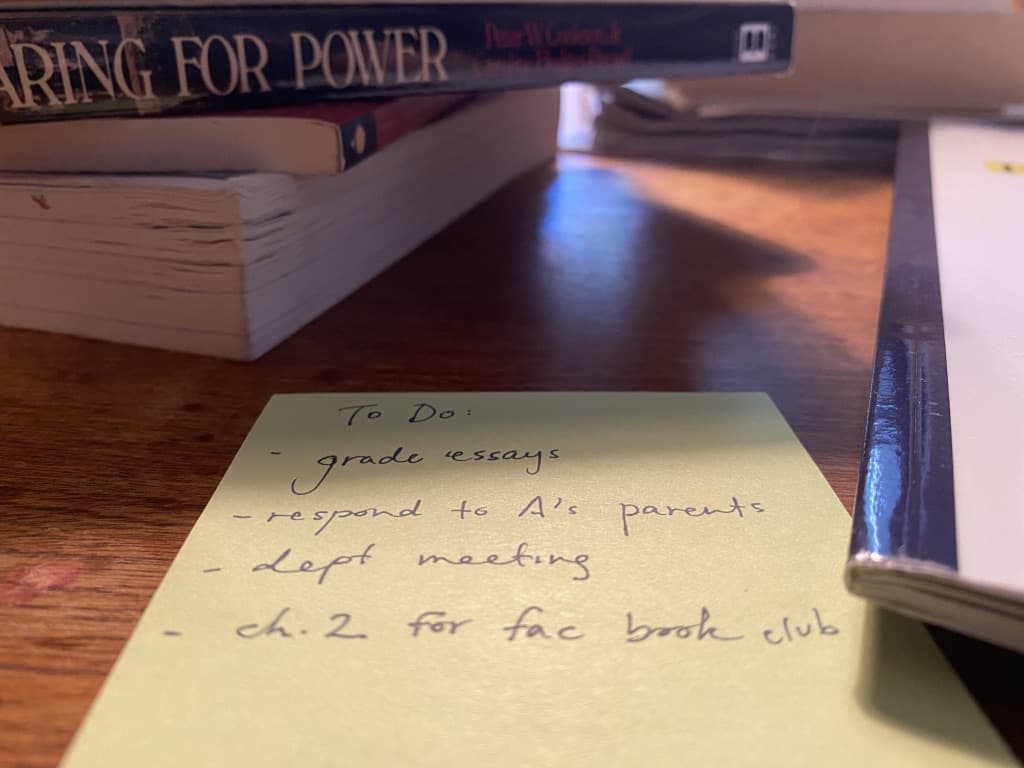
Push Out Paraphrase
Read More: Push Out ParaphraseParaphrasing, by Bergman’s definition, is a retelling of what a student has just said in similar, perhaps clearer, words. He notes, though, that in such moments paraphrase a…
-
Favoritism, Fun, and the Future of Learning
Read More: Favoritism, Fun, and the Future of LearningAs teachers, we’re taught not to play favorites, but that’s a difficult task. There are good reasons why.
-
Social Presence in the Online Classroom
Read More: Social Presence in the Online ClassroomEveryone’s afraid of Zoom fatigue these days. Lowenthal and Dunlop ask their students how to make social presence possible online.
-
Discussion through the Digital Humanities, Creativity Protocols, and the Neuroscience of Trust
Read More: Discussion through the Digital Humanities, Creativity Protocols, and the Neuroscience of TrustThis week, we feel challenged by Paul Zak’s work on trust in the workplace, Leyla Alipour’s protocols for boosting student creativity, and NYU press’s forays into online discourse…
-
Beyond Fragility and Into History
Read More: Beyond Fragility and Into HistoryA 2017 article challenges us to think from, but also beyond, the popular concept of white fragility — especially when it comes to building new curricula.