Blog
Destination: Discussion
Information & inspiration from real teachers, real students & real research.


Find What You Really Want to Read
Search the archive, or narrow it down by content type and topic.
-
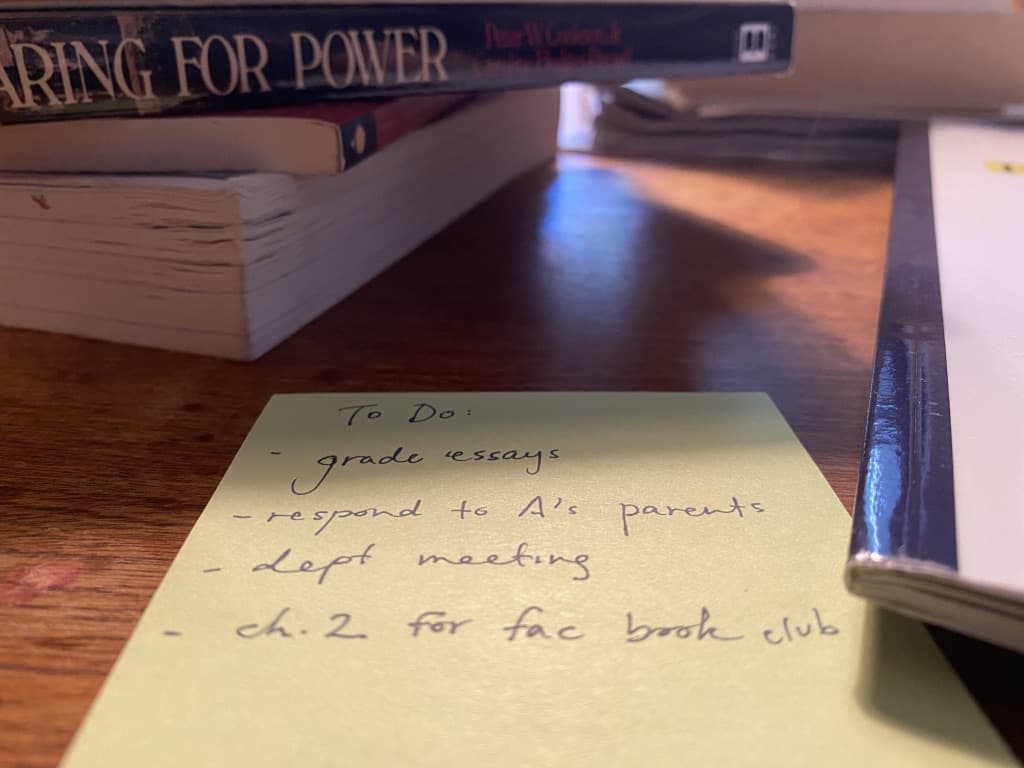
Self Paced Learning and Student-Led Discussion, Together?
Read More: Self Paced Learning and Student-Led Discussion, Together?Beyond the Syllabus posts offer a round-up of resources that are “practice-adjacent,” as Katherine often says. We offer recs for podcasts, fiction and non, and TED talks that…
-
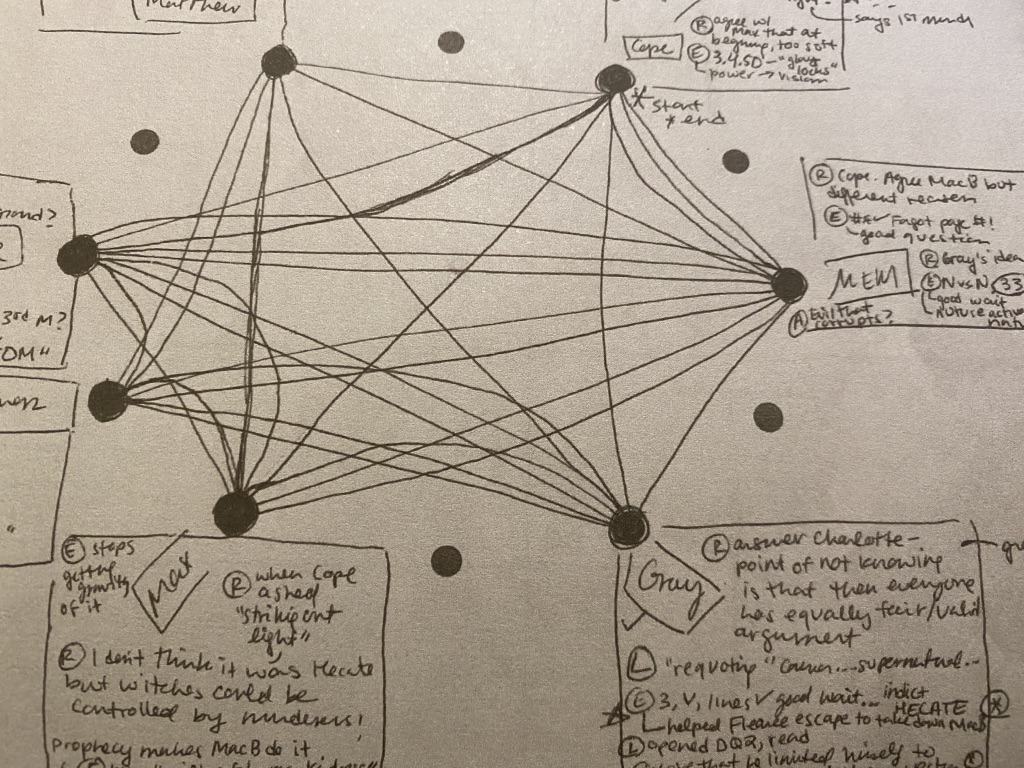
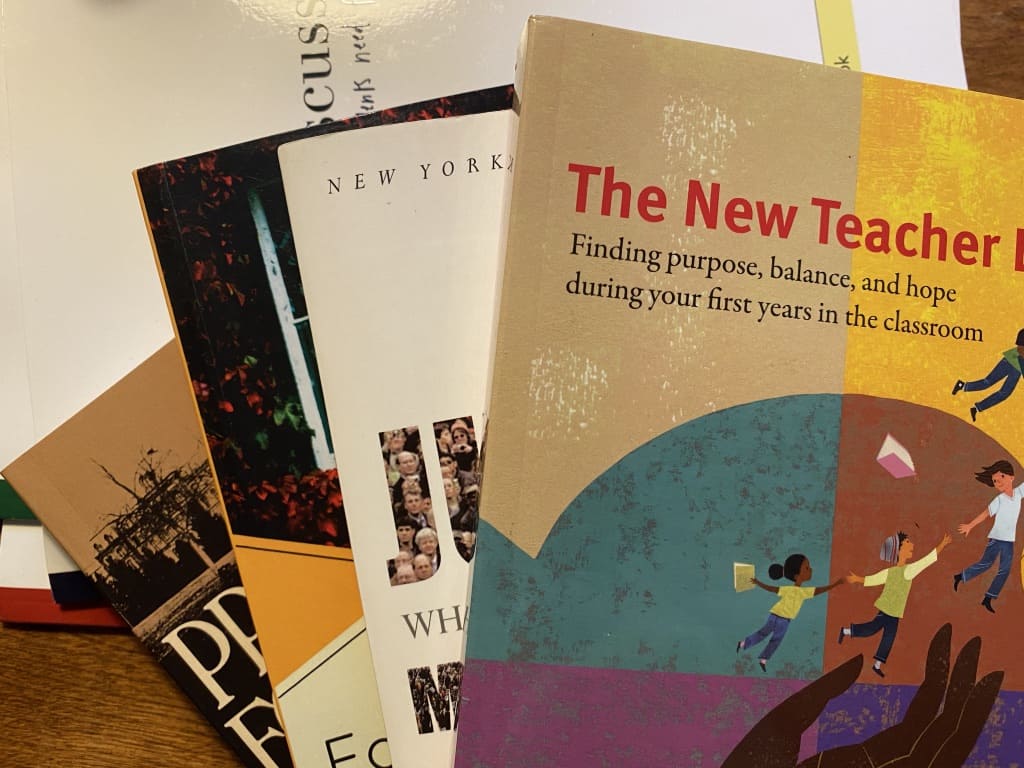
Metaphors for (and against) education
Read More: Metaphors for (and against) educationWe often use metaphors to describe what we do in the classroom. Do those metaphors help us, or do they hurt us?
-
-
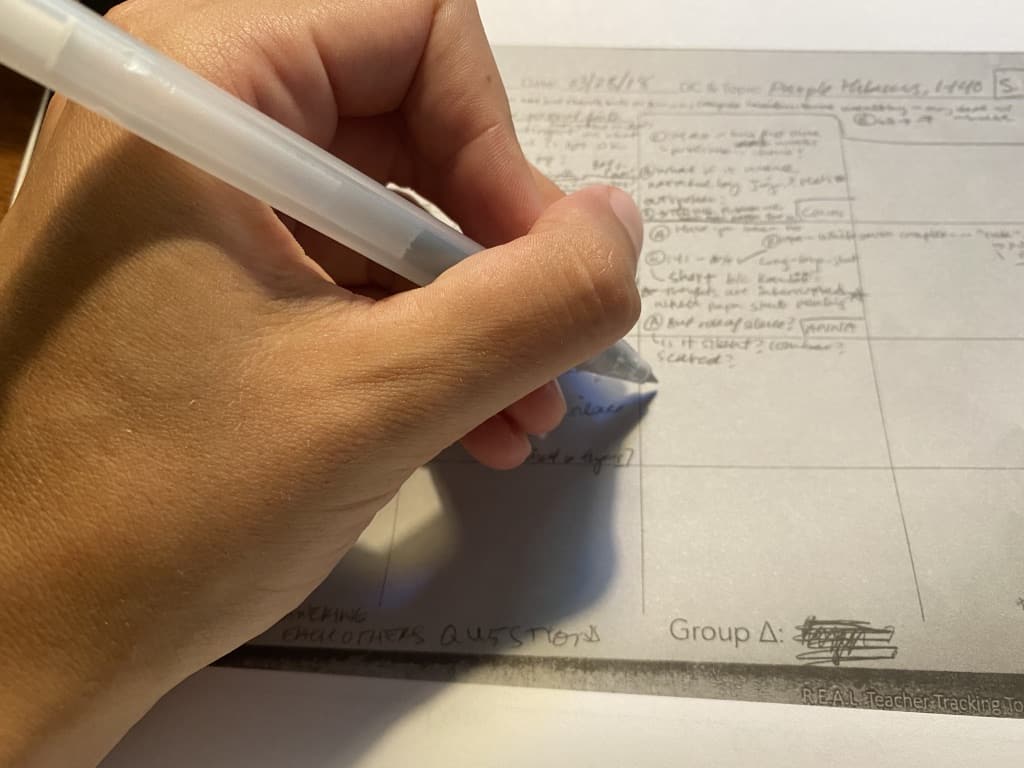
Ethical Sharing, Ethical Optimism, Ethical Coursework
Read More: Ethical Sharing, Ethical Optimism, Ethical Coursework“Optimism is an explanatory process… it’s the narrative you tell that allows you to move forward.”
-
Protagonists: Teddy Romeyn
Read More: Protagonists: Teddy Romeyn“For me, especially as a young teacher who’s still trying to figure it out, I’ll have students who will try to take the conversation in a completely different…
-
Best Investments for the Future of Online Learning
Read More: Best Investments for the Future of Online LearningExperienced online teachers show a preference for, and a desire for more, student-centered practices. Their voices can remind innovators where to focus.
-
Protagonists: Joanna Balla-Elliott
Read More: Protagonists: Joanna Balla-Elliott“I’m working with a professor from grad school to bring authentic texts into vocabulary instruction that amplify diverse voices and expose students to issues of justice and equity.…
-
Finding the Words
Read More: Finding the WordsA style guide that should be ubiquitous in schools, new research in Black girls’ experiences in PWIs, and a call to courage from Rachel Carson’s “Silent Spring.”
-
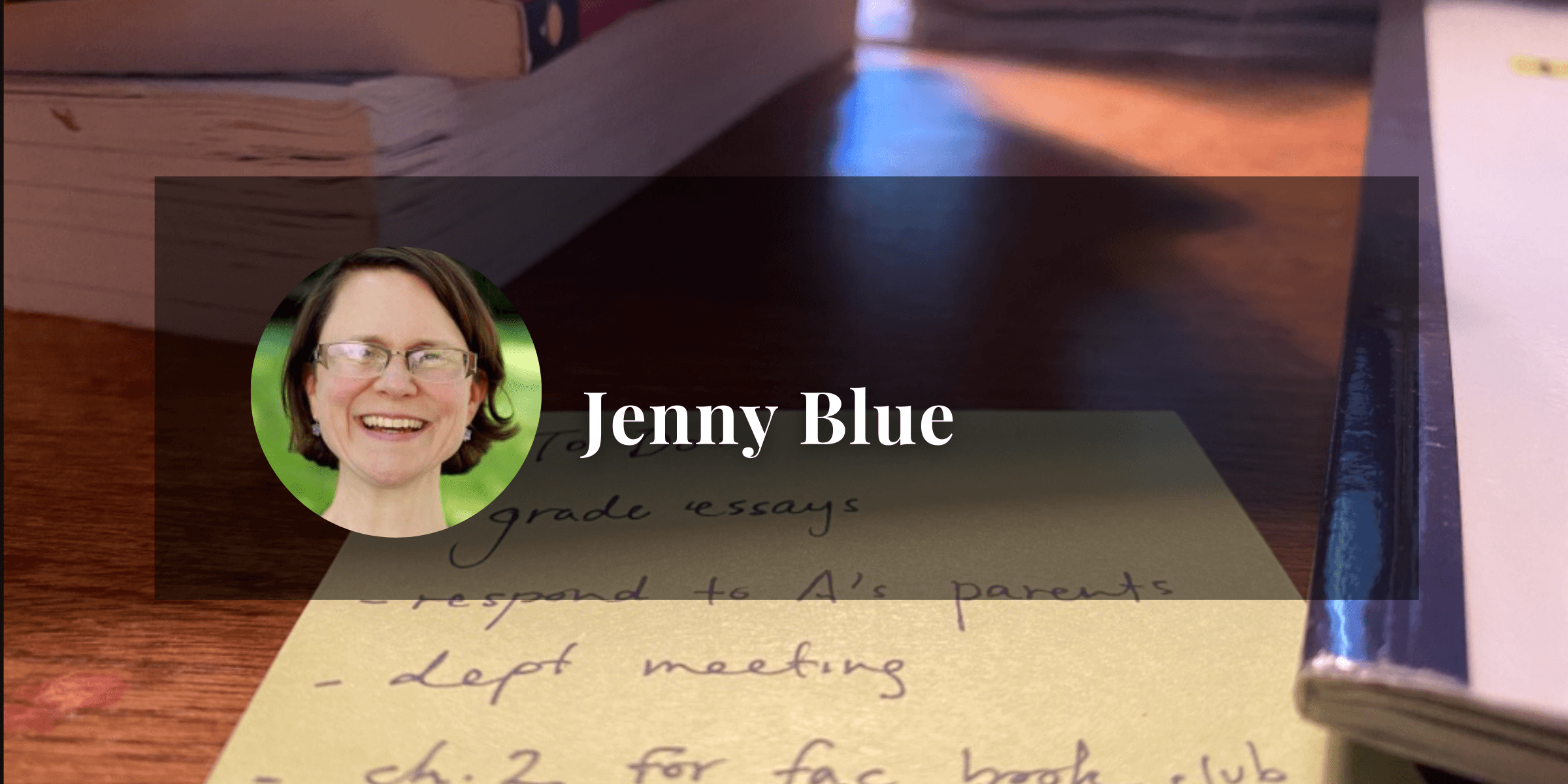
Protagonists: Jenny Blue
Read More: Protagonists: Jenny Blue“I love the silence when we’re all together in a moment when someone’s said something that really lands. It’s an ineffable presence, not even contained in a voice.…
-
Protagonists: Abby Reed
Read More: Protagonists: Abby Reed“One thing I love is when a student has that a-ha moment where they connect the concept we’re discussing with some kind of real world knowledge where the…